
山东途畅路桥工程有限公司
联系人:石总
电话:18264104888
地址:山东省济南市槐荫区经一路273号群盛华城
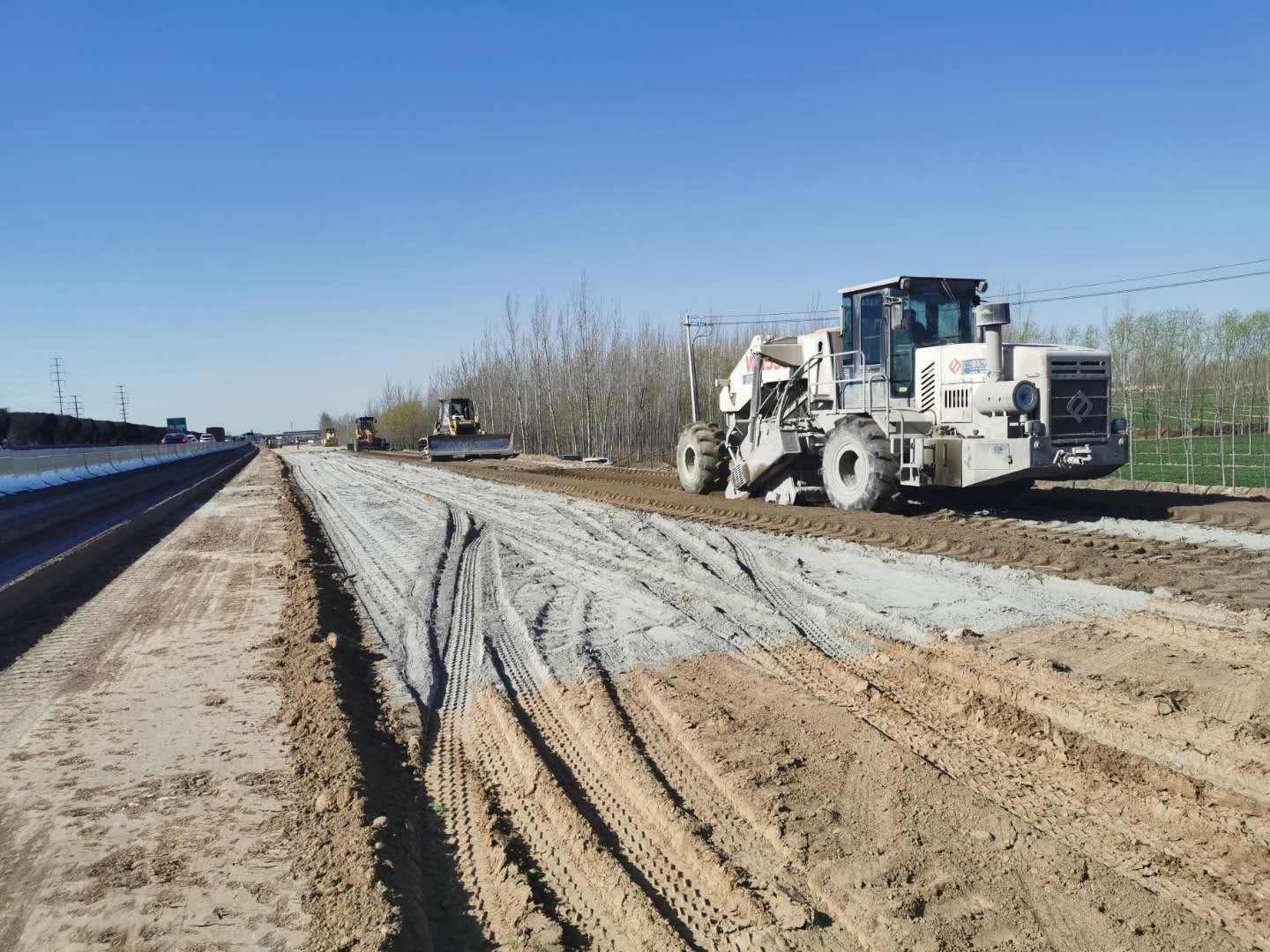
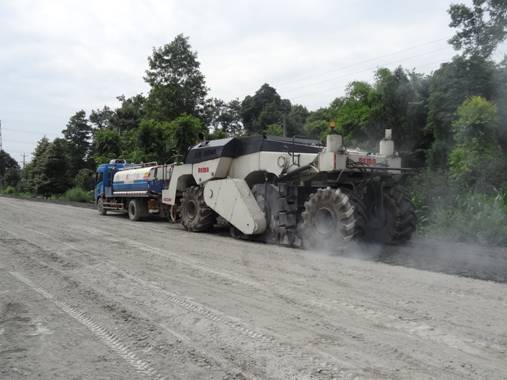
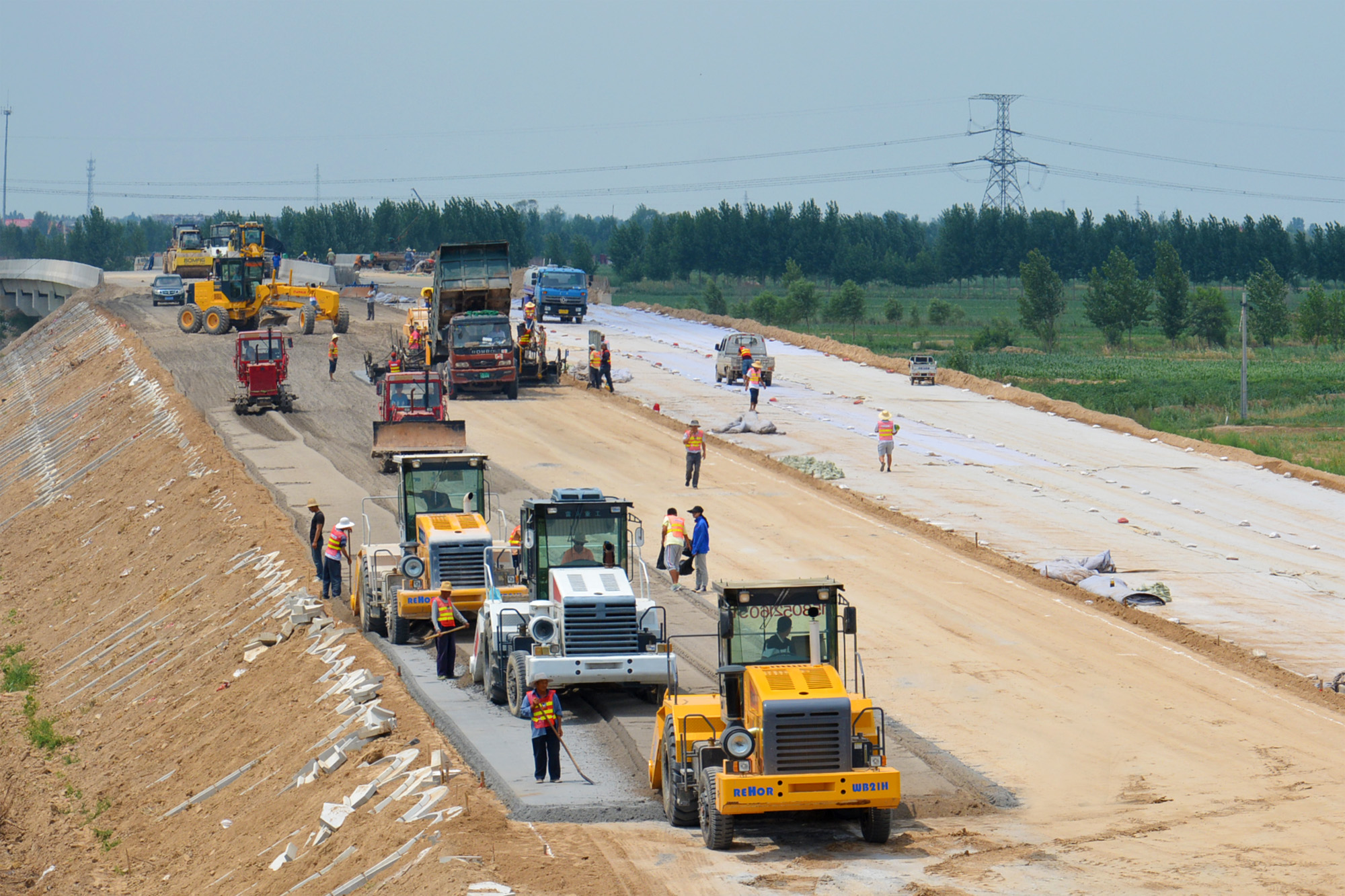
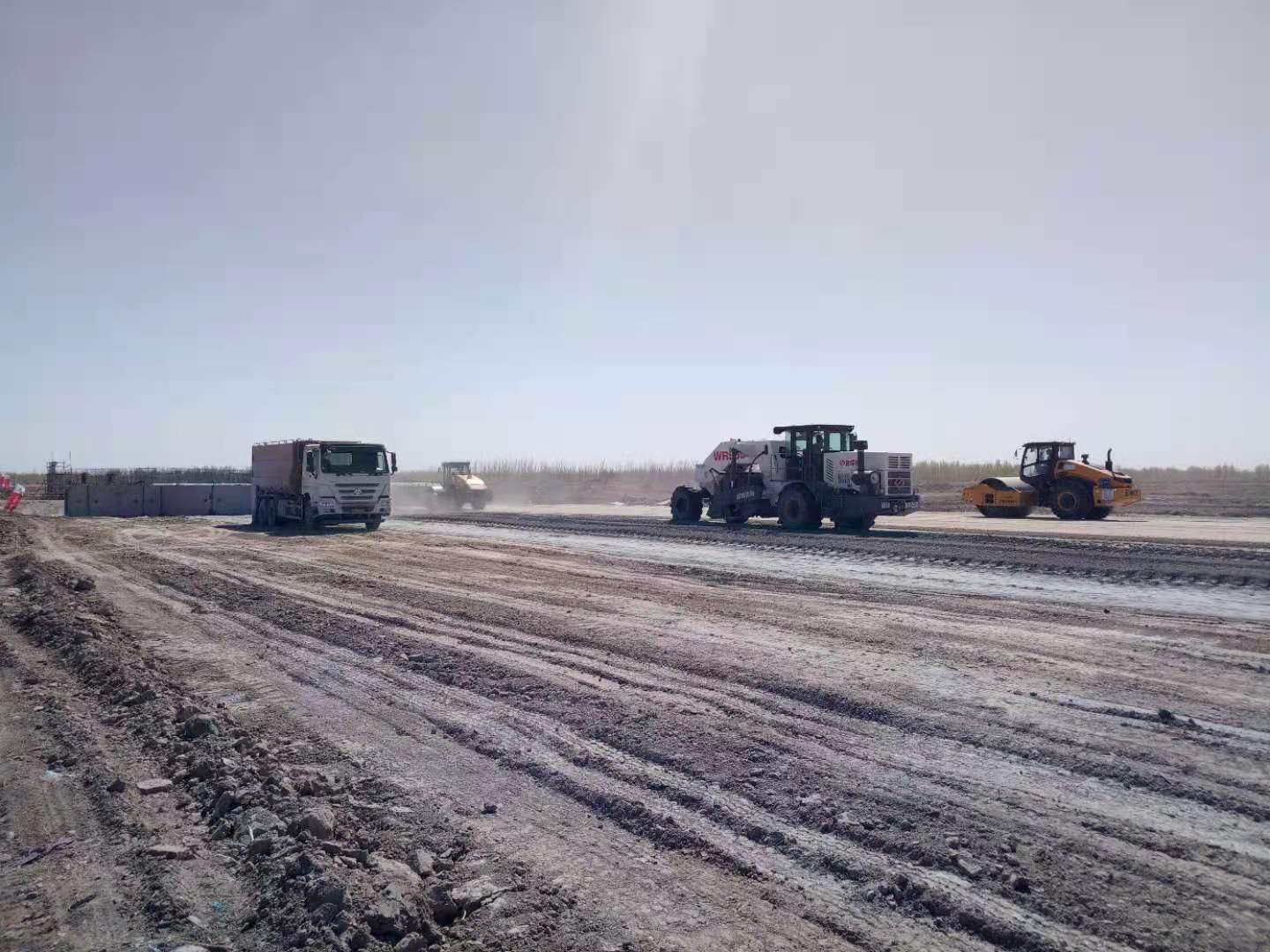
冷再生机租赁:浅析冷再生技术的使用现状及存在问题
我国现阶段公路使用情况,呈现公路养护与维修任务繁重,养护技术相对建设技术来讲较为落后的特点。传统的公路维修工艺多采用挖除旧沥青路面,重新加铺新的沥青面层的方式。此种施工工艺存在造价高、工期长、中断交通时间长等缺陷。且挖除的旧沥青路面废料存在环境污染、堆放困难、浪费有价资源三大问题。沥青路面再生技术以其良好的经济效益和作用,已成为沥青路面技术研究的一个重要方向。有资料表明,我国每年产生约220万吨的I旧沥青混合料,若采用再生技术循环利用这些废旧沥青混合料,每年节省的材料费用可达3.5亿元之多。且这个数字还将以每年15%的速度增加,预计到2015年我国因公路改造产生的废I旧沥青混合料将达1000万吨,对其进行再生利用将可产生15亿元的直接经济效益。且产生的环境效益也很显著。
At present, the use of highways in China presents the characteristics of heavy maintenance and repair tasks, and relatively backward maintenance technology compared to construction technology. Traditional highway maintenance techniques often involve excavating the old asphalt pavement and replacing it with a new asphalt surface layer. This construction technique has defects such as high cost, long construction period, and long interruption of traffic time. The excavated old asphalt pavement waste has three major problems: environmental pollution, difficulty in stacking, and waste of valuable resources. Asphalt pavement regeneration technology has become an important direction in asphalt pavement technology research due to its good economic benefits and environmental protection effects. According to data, China produces approximately 2.2 million tons of old asphalt mixture annually. If recycling technology is used to recycle these waste asphalt mixtures, the annual material cost savings can reach up to 350 million yuan. And this number will continue to increase at a rate of 15% per year. It is expected that by 2015, the amount of waste and old asphalt mixture generated by road renovation in China will reach 10 million tons, and its recycling will generate a direct economic benefit of 1.5 billion yuan. And the environmental benefits generated are also significant
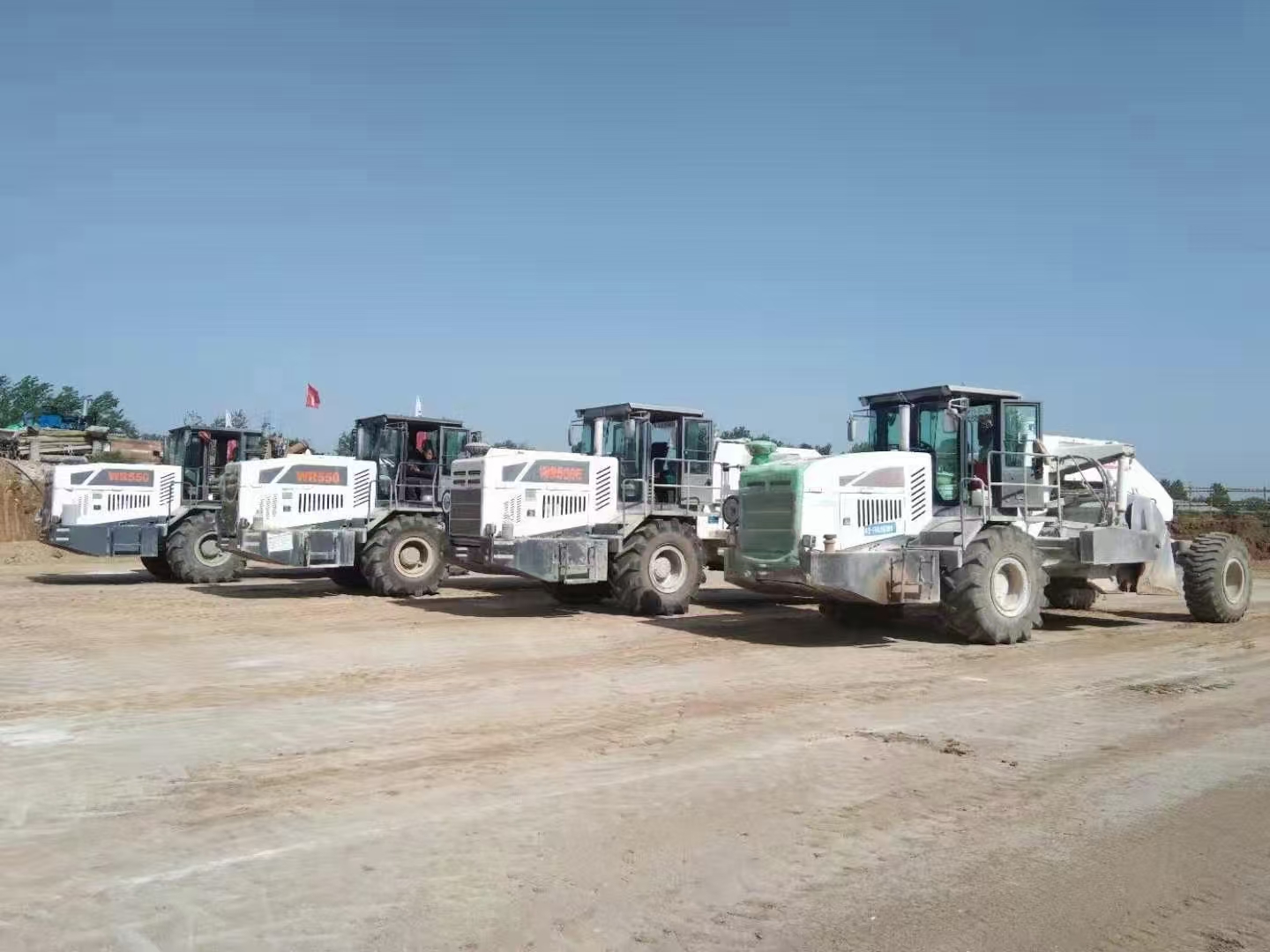
按照工艺的不同,沥青路面再生技术分为热再生技术和冷再生技术。热再生技术的工作原理是通过恢复老化沥青的粘结性能,重新发挥沥青的胶结料作用后将沥青和集料再生利用但其使用的材料只能是沥青面层铣刨料,有其使用的局限性。而冷再生技术是将原有的路面铣刨料作为骨料重复利用,它不仅可以使用面层铣刨料,还可以利用无机结合料稳定的基层铣刨料,可限度地利用I旧路面材料,能够节约大量的沥青和砂石材料,节省工程投资。此外,冷再生还具延长施工季节。改善施工条件,减少环境污染等优点。冷再生以其显著的经济效益和社会效益已成为国际上路面维修改造的主要方法之一。一、常见的冷再生技术
According to different processes, asphalt pavement recycling technology is divided into hot recycling technology and cold recycling technology. The working principle of hot recycling technology is to restore the bonding performance of aged asphalt, and then reuse the asphalt and aggregate after re exerting the role of asphalt binder. However, the material used can only be milling material for asphalt surface layer, which has its limitations in use. And cold recycling technology is the reuse of existing pavement milling materials as aggregates. It can not only use surface milling materials, but also stable base milling materials with inorganic binders, which can maximize the use of old pavement materials, save a lot of asphalt and sandstone materials, and save engineering investment. In addition, cold recycling also extends the construction season. Advantages such as improving construction conditions and reducing environmental pollution. Cold recycling has become one of the main methods for road maintenance and renovation internationally due to its significant economic and social benefits. 1、 Common cold regeneration technologies
沥青路面冷再生的原理即流变逆转原理。但实际中,沥青是不能充分实现流变逆转的。因此,冷再生混合料主要应用于高等级公路基层,故要具有一定的强度、刚度、水稳性冷再生添加剂主要有乳化沥青、泡沫沥青,另外,还可以添加水泥、水泥稀浆、石灰、粉煤灰等。需要注意的是水泥和乳化沥青类型应慎重选择,以避免水泥的水化作用使乳化沥青过早破乳,影响再生混合料的施工和易性。
The principle of cold recycling of asphalt pavement is the principle of rheological reversal. However, in reality, asphalt cannot fully achieve rheological reversal. Therefore, the cold recycled mixture is mainly used in the base course of high-grade highways, so it should have certain strength, rigidity and water stability. The cold recycled additives mainly include emulsified asphalt and foam asphalt. In addition, cement, cement slurry, lime, fly ash, etc. can also be added. It should be noted that the types of cement and emulsified asphalt should be carefully selected to avoid premature emulsification of emulsified asphalt due to the hydration effect of cement, which may affect the construction and workability of recycled mixtures.
1.泡沫沥青再生技术泡沫沥青冷再生混合料是以泡沫沥青作为主要稳定稳定剂,其强度形成机理与普通热拌沥青混合料是不同的。沥青发泡以后,物理性质发生了变化,其粘度显著降低,形成的泡沫沥青体积急剧增加,表面张力减小,可以在常温下方便地与不加热的集料(RAP)拌和均匀。在泡沫沥青拌和过程中,当泡沫沥青与集料接触时,沥青泡沫瞬间化为数以百万计的"沥青微粒"粘附于细料的表面,形成粘有大量沥青的细料填缝料,经过拌和压实,这些细料能填充于湿冷的粗料之间的空隙并形成类似砂浆的作用,使混合料达到稳定。即泡沫沥青冷再生料的初期强度主要由泡沫沥青裹覆铣刨料中的细料,形成的沥青"玛蹄脂"再粘附粗料而形成。终强度由三部分组成,即RAP中集料之间的嵌挤力与内摩阻力、RAP中旧沥青与集料之间的粘聚力和泡沫沥青与细料形成的沥青胶浆与粗料之间的粘聚力。
1. foam asphalt recycling technology foam asphalt cold recycling mixture uses foam asphalt as the main stabilizing agent, and its strength formation mechanism is different from that of ordinary hot mix asphalt mixture. After asphalt foaming, its physical properties have changed, its viscosity has significantly decreased, the volume of foam asphalt formed has sharply increased, and its surface tension has decreased, which can be easily mixed with unheated aggregate (RAP) uniformly at room temperature. In the process of foam asphalt mixing, when the foam asphalt contacts with the aggregate, the asphalt foam instantaneously turns into millions of "asphalt particles" adhering to the surface of the fine material, forming a fine joint filler with a large amount of asphalt. After mixing and compaction, these fine materials can fill the gap between the wet and cold coarse materials and form a mortar like effect, making the mixture stable. That is, the initial strength of foam asphalt cold recycled material is mainly formed by foam asphalt coating the fine materials in the milling material, forming asphalt "mastic" and then adhering to the coarse materials. The final strength consists of three parts, namely, the embedding force and internal friction between aggregates in RAP, the cohesion between old asphalt and aggregates in RAP, and the cohesion between asphalt mortar and coarse aggregate formed by foam asphalt and fine aggregate.
2.乳化沥青再生技术乳化沥青冷再生混合料是以乳化沥青作为稳定剂,是使用为广泛的冷再生结合料。其再生机理是在水润条件下,发生电离反应的矿料和I旧料的表面均带有电荷,形成吸附性薄膜。当乳化沥青和湿润的集料接触时,乳化剂的极性亲水端总倾向于吸附极性的矿料表面。同时,沥青颗粒自身形成的正、负电荷载体与极性的集料表面产生相互吸咐作用。这种吸附作用使沥青颗粒迅速排列在矿料表面,形成单分子层。在适当的外界环境下,乳化沥青开始破乳。乳化剂亲水端的水颗粒逐渐被吸收、排出和蒸干,终只有沥青颗粒留在集料表面,形成类似于热拌沥青混合料的沥青薄膜完全包裹集料的结构。
2. Emulsified asphalt recycling technology. Emulsified asphalt cold recycled mixture is the most widely used cold recycled binder, which uses emulsified asphalt as a stabilizer. The regeneration mechanism is that under moist conditions, both the mineral material and the I old material that undergo ionization reactions carry charges on their surfaces, forming an adsorbent film. When emulsified asphalt comes into contact with wet aggregate, the polar hydrophilic end of the emulsifier tends to adsorb the polar mineral surface. At the same time, the positive and negative charge carriers formed by the asphalt particles themselves interact with the polar aggregate surface through mutual adsorption. This adsorption effect causes asphalt particles to quickly arrange on the surface of the mineral material, forming a monolayer. Under appropriate external conditions, emulsified asphalt begins to break down. The water particles at the hydrophilic end of the emulsifier are gradually absorbed, discharged, and evaporated, and ultimately only the asphalt particles remain on the surface of the aggregate, forming a structure similar to a hot mix asphalt mixture where the asphalt film completely wraps around the aggregate.
有研究指出,在旧料表面一定厚度范围内,乳化沥青对I日沥青还具有化学软化作用,使其恢复部分性能,从而使乳化沥青与被再生的I旧日沥青共同形成能够完全包裹RAP颗粒的有效沥青薄膜。这种有效沥青薄膜具有一定的粘结力,它是形成乳化沥青冷再生混合料强度的重要因素。乳化沥青混合料强度构成因素同样是材料的内聚力和内摩阻力,不同的是内聚力和内摩阻力有一个变化过程,在混合料初期和后期各自对强度的贡献不同。内聚力主要是由沥青的粘聚力及沥青与矿料的粘附力组成,内摩阻力主要是由骨料之间的嵌挤和摩擦构成o
Research has shown that within a certain thickness range on the surface of old materials, emulsified asphalt also has a chemical softening effect on I-day asphalt, restoring some of its properties, thereby allowing emulsified asphalt and regenerated I-day asphalt to form an effective asphalt film that can completely encapsulate RAP particles. This effective asphalt film has a certain degree of adhesion, which is an important factor in forming the strength of emulsified asphalt cold recycled mixtures. The strength components of emulsified asphalt mixture are also the cohesion and internal friction of the material, but the difference is that the cohesion and internal friction have a changing process, and their contributions to the strength are different in the early and later stages of the mixture. Cohesion is mainly composed of the cohesive force of asphalt and the adhesive force between asphalt and mineral aggregate, while internal friction is mainly composed of the interlocking and friction between aggregates
冷再生混合料的设计通常是在选定再生旧料、新矿质集料和添加剂后,一般确定添加剂的大致用量,然后,按不同拌和用水量、压实含水量确定符合裹覆性的含水量范围和稳定度的含水量。,变化添加剂的用量,根据马歇尔稳定度、流值、空隙率等指标确定添加剂的含量。冷再生稳定剂的选择应综合考虑回收材料的性质、工程特点和环境因素等确定。
The design of cold recycled mixtures is usually based on the selection of recycled old materials, new mineral aggregates, and additives. The approximate amount of additives is generally determined first, and then the moisture content range that meets the coating properties and the optimal stability is determined according to different mixing and compaction moisture contents. Finally, adjust the dosage of the additive and determine the optimal content based on indicators such as Marshall stability, flow rate, and porosity. The selection of cold regeneration stabilizers should be determined based on a comprehensive consideration of the properties of the recycled materials, engineering characteristics, and environmental factors.
二、冷再生技术的工程应用
2、 Engineering Application of Cold Recycling Technology
我国从1998年开始引进现场冷再生技术进行道路养护随着乳化沥青冷再生技术的不断推广,其应用范围也逐渐扩大,京沪高速、京哈高速、沪宁高速、西汉高速、铜黄高速和惠河高速等大修工程中均铺筑了乳化沥青冷再生试验路段。2003年广东省佛山市利用乳化沥青掺加少量水泥再生了佛山市石南大桥北国道325线连接线工程。2004年沈阳三鑫公路工程公司采用维特根WR2500S在营大路进行的乳化沥青冷再生应用,成为我国早也是的乳化沥青冷再生工程。2005年天津市市政公路管理局以乳化沥青冷再生技术在京哈公路维修改造工程中选取0.5km作为试验段,进行了乳化沥青冷再生技术在I旧路改造中的应用;2007年河北省廊坊市以乳化沥青和泡沫沥青作为再生剂掺加少量水泥进行了大香线2.25km路段的维修改造工程。这些工程应用的实施,为沥青路面冷再生技术积累了宝贵经验,取得了良好的社会效益和经济效益
Since 1998, China has introduced on-site cold recycling technology for road maintenance. With the continuous promotion of emulsified asphalt cold recycling technology, its application scope has gradually expanded. Emulsified asphalt cold recycling test sections have been laid in major maintenance projects such as Beijing Shanghai Expressway, Beijing Harbin Expressway, Shanghai Nanjing Expressway, Western Han Expressway, Tonghuang Expressway, and Huihe Expressway. In 2003, Foshan City, Guangdong Province recycled the connection line project from Shinan Bridge North to National Highway 325 using emulsified asphalt mixed with a small amount of cement. In 2004, Shenyang Sanxin Highway Engineering Company adopted the Wittgen WR2500S for emulsified asphalt cold recycling application on Yingda Road, becoming the earliest and largest emulsified asphalt cold recycling project in China. In 2005, the Tianjin Municipal Highway Management Bureau selected 0.5km of emulsified asphalt cold recycling technology as a test section in the maintenance and renovation project of the Beijing Harbin Highway, and applied the emulsified asphalt cold recycling technology in the renovation of the old road; In 2007, Langfang City, Hebei Province, used emulsified asphalt and foam asphalt as regenerants and added a small amount of cement to carry out the maintenance and reconstruction of the 2.25km section of Daxiang Line. The implementation of these engineering applications has accumulated valuable experience for cold recycling technology of asphalt pavement and achieved good social and economic benefits
三、冷再生技术存在问题
3、 There are problems with cold regeneration technology
冷再生技术在使用的工程中也暴露出一些问题。冷再生混合料早期强度较低,开放交通延迟,往往会造成一定时间的交通的中断。有研究指出,可再冷再生混合料中加入一定量的水泥,利用水泥吸水水化加速乳化沥青(或泡沫沥青)破乳,以达到提高混合料的早期强度,缩短强度形成时间。但实际操作中仍存在水泥的水化作用使乳化沥青过早破乳,影响再生混合料的施工和易性等问题
Cold recycling technology has also exposed some problems in its engineering applications. Cold recycled mixtures have low early strength and delayed open traffic, often causing a certain period of traffic interruption. Some studies have pointed out that a certain amount of cement can be added to the recycled mixture, and the demulsification of emulsified asphalt (or foam asphalt) can be accelerated by water absorption and hydration of cement, so as to improve the early strength of the mixture and shorten the strength formation time. However, in practical operation, there are still problems such as the hydration of cement causing premature demulsification of emulsified asphalt, which affects the construction and workability of recycled mixtures
且冷再生的再生质量也不能达到沥青面层的质量标准,只能用于基层或者下面层,其使用的范围也受到了一定的限制,怎么提高冷再生的再生质量并建立相应的路用性能指标体系是今后努力的方向。
Moreover, the regeneration quality of cold recycling cannot meet the quality standards of asphalt surface layer, and can only be used for base or lower layers. Its scope of use is also limited to some extent. How to improve the regeneration quality of cold recycling and establish a corresponding road performance index system is the direction for future efforts.
另外,我国高等级公路沥青路面的基层结构多采用半刚性材料,而冷再生材料应用于基层为我国的高等级公路提供了一种新型柔性基层材料。此种柔性基层的采用对高等级公路的路用性能及使用寿命产生怎么样的影响,此方面的研究具有较高的社会效益。
In addition, the base structure of asphalt pavement on China's high-grade highways mostly uses semi-rigid materials, and the application of cold recycled materials in the base provides a new type of flexible base material for China's high-grade highways. The adoption of this flexible base has a significant impact on the road performance and service life of high-grade highways, and research in this area has high social benefits.
本文由 冷再生机租赁 友情奉献.更多有关的知识请点击 http://www.tclqgc.com/ 真诚的态度.为您提供为的服务.更多有关的知识我们将会陆续向大家奉献.敬请期待.
This article is a friendly contribution from Cold Recycling Machine Rental For more related knowledge, please click http://www.tclqgc.com/ Sincere attitude To provide you with comprehensive services We will gradually contribute more relevant knowledge to everyone Stay tuned
阅读/ Recommended reading
- 冷再生机租赁避坑!维特根380CR硬核出圈,380水稳+沥青双层连铺省40%成本 2026-04-15
- 冷再生机租赁:选徐工2303K,极寒冻土施工,工期成本双优化 2026-04-13
- 冷再生机租赁避坑!山区公路施工必看,3.8m宽再生+13cm厚成型,省本60%不误工 2026-04-08
- 冻土施工卡壳?冷再生机租赁选对设备,755匹马力“啃碎”硬土,效率翻倍不误工 2026-04-07
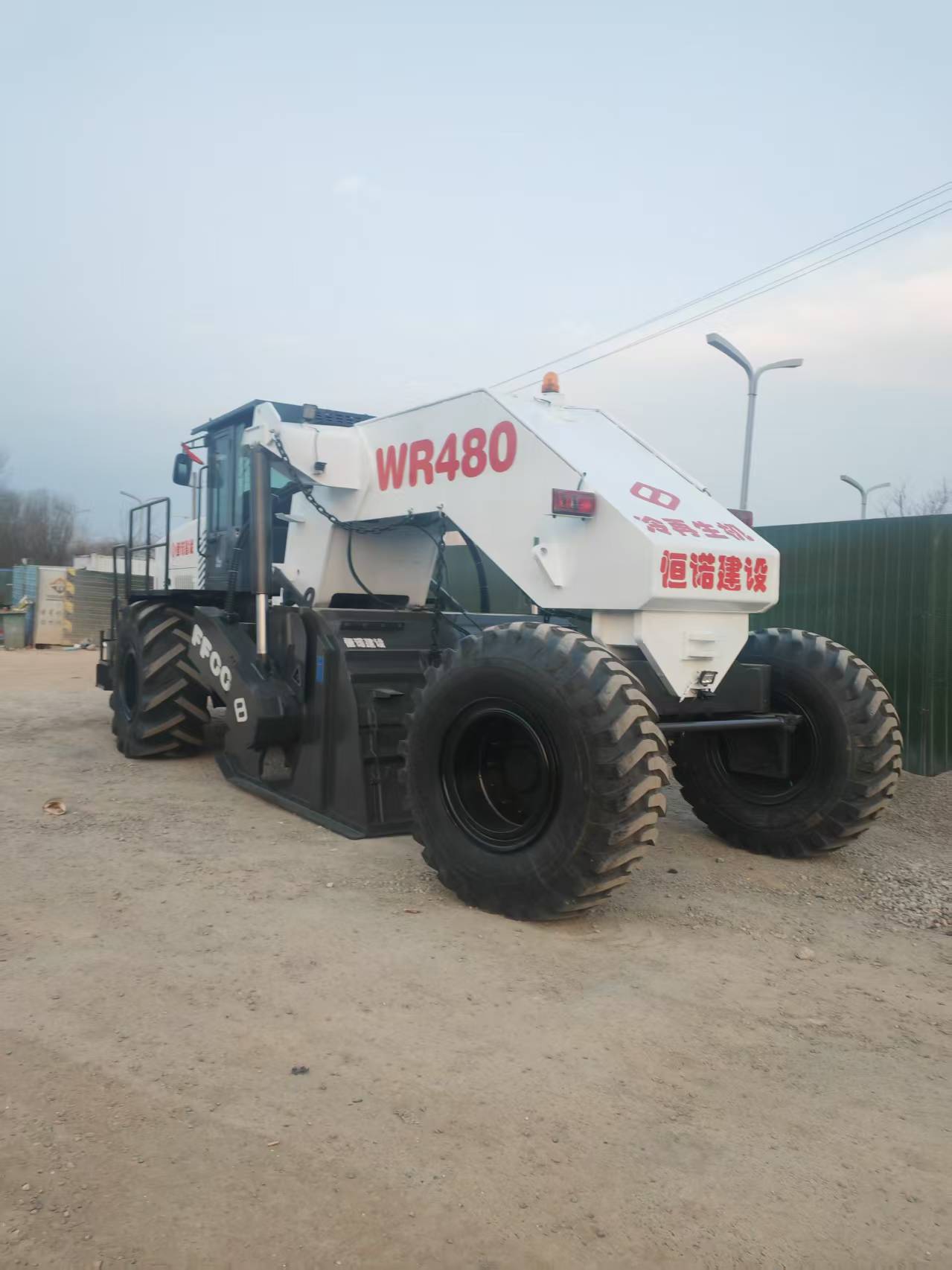
公路养护降本关键,冷再生机租赁凭这3点,省30%成本还 The key to cost reduction in highway maintenance lies in...