

山东途畅路桥工程有限公司
联系人:石总
电话:18264104888
地址:山东省济南市槐荫区经一路273号群盛华城
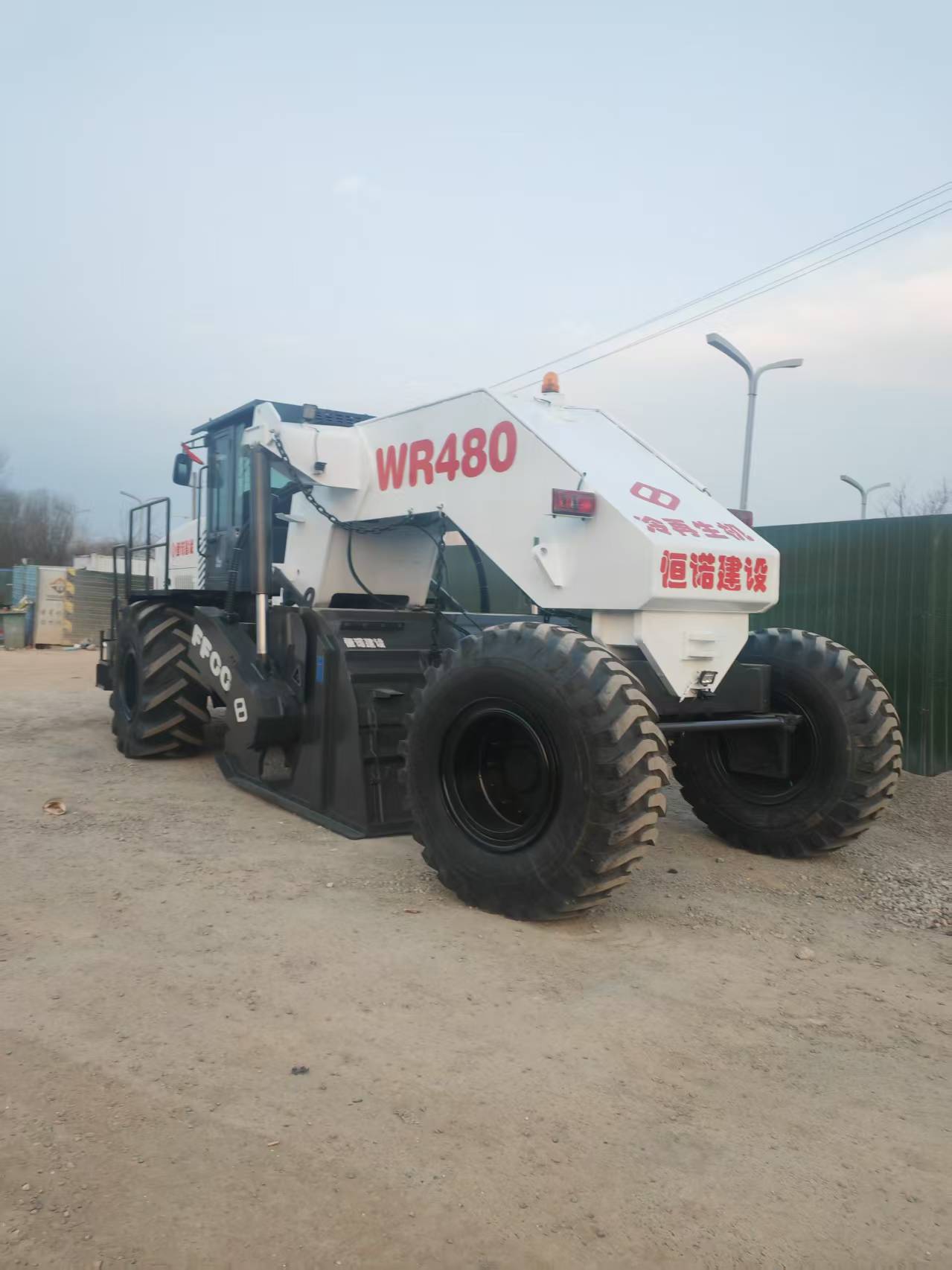
冷再生机租赁:道路冷再生时粒径过过大时的处理办法
1 总 则
1 General Provisions
1.1 冷再生是一种利于和节约能源的道路维修方式。为推广此项技术,保证冷再生设计施工质量,特制定本指南。
1.1 Cold regeneration is a road maintenance method that is beneficial for environmental protection and energy conservation. To promote this technology and ensure the quality of cold recycling design and construction, this guide is specially formulated.
1.2 本指南规定了水泥稳定就地冷再生的设计方法、设计要点及施工工艺和质量控制要求。
1.2 This guideline specifies the design methods, key points, construction techniques, and quality control requirements for on-site cold recycling of cement stabilization.
1.3 本指南适用于采用水泥稳定就地冷再生技术进行大修、改建的各等级公路的底基层和二级及二级以下公路、城市出口路基层的施工。
1.3 This guide is applicable to the construction of sub base layers and sub base layers of various grades of highways, as well as urban exit road bases, that undergo major repairs and renovations using cement stabilized in-situ cold recycling technology.
1.4 本指南中的规定、要求与《辽宁省“十一五”公路技术政策(试行)》中相应内容不一致时,以本指南为准。
In case of any inconsistency between the provisions and requirements in this guide and the corresponding content in the "Eleventh Five Year Plan" Highway Technology Policy (Trial) of Liaoning Province, this guide shall prevail.
1.5 水泥稳定就地冷再生路面设计应采用设计与施工紧密结合的半刚性基层设计理论,设计内容包括交通量预测与分析、旧路混合料分析、混合料配合比设计、设计参数确定、路面结构组合设计与厚度计算,在进行路面结构技术经济综合评价的基础上提出设计方案。
The design of 1.5 cement stabilized in-situ cold recycled pavement should adopt a semi-rigid base design theory that closely combines design and construction. The design content includes traffic volume prediction and analysis, analysis of old road mixtures, mix design, determination of design parameters, pavement structure combination design and thickness calculation. Based on the comprehensive evaluation of pavement structure technology and economy, a design scheme should be proposed.
1.6 就地冷再生机的再生深度一般为15cm -30cm。损坏深度大于30cm或需要提高或改善路面使用功能时,采用水泥稳定就地冷再生基层后,应加铺满足设计强度的半刚性上基层,路面结构按《公路沥青路面设计规范》有关规定,通过交通量预测计算设计弯沉值后,进行路面结构厚度计算,并进行弯拉应力验算。
The regeneration depth of the on-site cold regeneration machine is generally 15cm -30cm. When the depth of damage is greater than 30cm or when it is necessary to improve or enhance the functionality of the road surface, after using cement stabilized on-site cold recycled base layer, a semi-rigid upper base layer that meets the design strength should be added. The road surface structure should be designed according to the relevant provisions of the "Design Specification for Asphalt Pavement of Highways". After calculating the design deflection value through traffic volume prediction, the thickness of the road surface structure should be calculated, and the bending tensile stress should be verified.
1.7 本指南涉及的试验方法应符合现行有关试验规程的规定。
1.7 The test methods involved in this guideline shall comply with the current relevant test regulations.
1.8 再生前必须进行路况调查,确定路面损坏是于路面面层,还是属于路面结构问题,了解路面结构损坏的范围和深度。
Before regeneration, a road condition survey must be conducted to determine whether the road damage is limited to the surface layer or a structural issue, and to understand the scope and depth of the road structure damage.
1.9 再生施工中除进行路面混合料级配检测外,应避免预破碎,在必须采用预破碎的路段,应严格控制铣刨深度。
In addition to conducting gradation testing on road mixtures during the 1.9 recycling construction, pre crushing should be avoided. In sections where pre crushing is necessary, the milling depth should be strictly controlled.
1.10 进行室内材料配合比设计所需混合料原则上应用再生机进行现场取料(即旧路混合料)。不同结构路段应独立进行结构组合设计和混合料配合比设计。
The required mixture for indoor material mix design should generally be collected on-site using a recycling machine (i.e. old road mixture). Different structural sections should be independently designed for structural combinations and mix proportions.
1.11 就地再生设备应能精确控制再生深度,误差不宜超过10mm;应能根据要求调整横坡,适当调整再生料的级配;应能控制添加料的比例并根据需要自动调节。
1.11 The on-site regeneration equipment should be able to accurately control the regeneration depth, with an error not exceeding 10mm; it should be able to adjust the cross slope according to requirements and adjust the grading of the regenerated material appropriately; Should be able to control the proportion of additives and automatically adjust as needed.
1.12 下列情况原则上不宜采用就地水泥稳定就地冷再生技术:
1.12 In principle, on-site cement stabilization and on-site cold recycling technology should not be used in the following situations:
(1)在预估的再生深度范围内,存在过多超粒径颗粒(粒径超过10cm的砂砾或铁渣等),会对铣刨转子造成损害的道路;
(1) Within the estimated regeneration depth range, there are too many oversized particles (such as gravel or iron slag with a maximum particle size exceeding 10cm) that can cause damage to the milling rotor on the road;
(2)病害较多,变形严重,强度不足的道路;
(2) Roads with multiple diseases, severe deformation, and insufficient strength;
(3)旧路结构层总厚度(面层、基层及垫层之和)小于25cm的道路。
(3) Roads with a total thickness of less than 25cm for the structural layer of the old road (the sum of the surface layer, base layer, and cushion layer).
1.13 沥青路面面层厚度不大于7cm可采用水泥稳定就地冷再生,面层厚度大于7cm 宜在水泥稳定就地冷再生和泡沫沥青稳定就地冷再生两个方案之间进行技术经济比较后确定。
1.13 Cement stabilized in-situ cold recycling can be used for asphalt pavement with a thickness of no more than 7cm. For pavement with a thickness of more than 7cm, it should be determined after technical and economic comparison between cement stabilized in-situ cold recycling and foam asphalt stabilized in-situ cold recycling.
1.14 施工中应认真整理相关资料,不断总结施工方法和实践经验,以提高冷再生施工技术水平,并为本指南的修订提供真实可靠的实践依据。
During construction, relevant materials should be carefully organized, and construction methods and practical experience should be continuously summarized to improve the level of cold recycling construction technology and provide real and reliable practical basis for the revision of this guide.
2 术 语
2 Terminology
2.1 冷再生技术(Cold recycling)
2.1 Cold Recycling Technology
将需要改建或大修的旧路面,经过翻挖回收、破碎、筛分,并加入适量的稳定剂(水泥、乳化沥青、泡沫沥青等),在常温情况下重新拌和,形成具有一定路用性能的再生混合料,用于铺筑路面基层或底基层的整套工艺技术。
The old pavement to be reconstructed or overhauled shall be excavated, recycled, crushed, screened, and added with a proper amount of stabilizer (cement, emulsified asphalt, foam asphalt, etc.), and remixed at normal temperature to form a recycled mixture with certain road performance, which is used for the whole process technology of paving the pavement base or subbase.
2.2 旧混合料(Recycled mixtures)
2.2 Recycled mixtures
对需要再生的道路按规定要求进行整形处理,经再生机(或铣刨机)按规定的深度、行进速度和转子速度进行铣刨后得到的具有一定级配的混合料。
The mixture with a certain gradation is obtained by shaping the road that needs to be regenerated according to the prescribed requirements, and milling it with a recycling machine (or milling machine) according to the prescribed depth, travel speed, and rotor speed.
2.3 水泥稳定就地冷再生(Cold recycling with cement as stabilizing agent)
2.3 Cold recycling with cement as stabilizing agent
在旧混合料(必要时加入一定比例的新料)中,加入一定剂量的水泥,在含水量状态下拌和形成再生混合料,通过整形、碾压、养生形成符合设计要求的道路基层或底基层。
In the old mixture (with a certain proportion of new material added if necessary), a certain amount of cement is added and mixed at the optimal moisture content to form a recycled mixture. Through shaping, rolling, and curing, a road base or subbase that meets the design requirements is formed.
2.4 再生深度(Recycling depth)
2.4 Recycling depth
再生机设定的铣刨深度,一般指原道路标高与再生层底部标高之差。
The milling depth set by the regeneration machine generally refers to the difference between the original road elevation and the bottom elevation of the regeneration layer.
2.5 再生厚度(Recycling thickness)
2.5 Recycling thickness
再生层设计顶面标高与底面标高之差,指再生层碾压成型后的顶面标高与底面标高之差。
The difference between the top and bottom elevations of the recycled layer design refers to the difference between the top and bottom elevations of the recycled layer after rolling and forming.
2.6 均匀路段(Homogeneous road section)
2.6 Homogeneous Road Section
旧路中结构组成及各结构层材料相同或相似并且具有相似结构承载力的路段。
The old road section has the same or similar structural composition and materials of each structural layer, and has similar structural bearing capacity.
3 一般规定
3 General Provisions
3.1 水泥稳定就地冷再生混合料用做基层或底基层时,水泥剂量可采用4%-5%,一般不宜超过5.5%。
When using cement stabilized in-situ cold recycled mixture as base or subbase, the cement dosage can be 4% -5%, and generally should not exceed 5.5%.
3.2 水泥稳定就地冷再生结构层宜在春末和气温较高季节组织施工。施工期的日气温应在5℃以上,在有冰冻的地区,并应在次重冰冻(-3~-5℃)到来之前半个月到一个月完成。
3.2 Cement stabilized in-situ cold recycling structural layer should be constructed in late spring and high temperature seasons. The daily minimum temperature during the construction period should be above 5 ℃, in areas with freezing, and should be completed half a month to a month before the first heavy freezing (-3~-5 ℃) arrives.
3.3 在雨季施工时,应特别注意气候变化,勿使水泥和混合料遭雨淋。降雨时应停止施工,已经摊铺的水泥混合料应尽快碾压密实。
3.3 During rainy season construction, special attention should be paid to climate change to prevent cement and mixtures from being exposed to rain. Construction should be stopped during rainfall, and the already spread cement mixture should be compacted as soon as possible.
3.4 水泥稳定就地冷再生结构层施工时,应遵守下列规定:
When constructing the cement stabilized in-situ cold recycling structural layer, the following regulations should be followed:
(1) 添加的碎石等外掺料和水泥应撒布均匀。
(1) The added crushed stone and other additives, as well as cement, should be evenly spread.
(2) 应严格控制基层厚度和高程,其路拱横坡应与面层基本一致。
(2) The thickness and elevation of the base layer should be strictly controlled, and the cross slope of the road arch should be basically consistent with the surface layer.
(3) 应在混合料处于或略大于含水量(气候炎热干燥时,基层混合料可大1%~2%)时进行碾压,压实度应达到《公路路面基层施工技术规范》(JTJ 034-2000)的有关要求。当使用大吨位压路机时,压实度宜提高1%~2%。
(3) Rolling should be carried out when the mixture is at or slightly above the optimal moisture content (when the climate is hot and dry, the base layer mixture can be 1% to 2% higher), and the compaction degree should meet the relevant requirements of the "Technical Specification for Construction of Highway Pavement Base Layer" (JTJ 034-2000). When using a large tonnage roller, the compaction degree should be increased by 1% to 2%.
(4) 水泥稳定就地冷再生结构层宜采用18t以上的振动压路机碾压。压实厚度15-20cm,采用18~20t振动压路机碾压;超过20 cm以上压实厚度应采用25t以上振动压路机。冷再生结构层碾压工序应在水泥初凝前完成。
(4) The cement stabilized in-situ cold recycling structural layer should be compacted with a vibratory roller weighing at least 18 tons. The compaction thickness is 15-20cm, and a 18-20t vibratory roller is used for rolling; For compaction thickness exceeding 20 cm, a vibratory roller with a capacity of 25 tons or more should be used. The rolling process of the cold recycled structural layer should be completed before the initial setting of the cement.
3.5 各级公路用水泥稳定就地冷再生混合料的压实度、7d龄期无侧限抗压强度应符合表3.1的规定。
The compaction degree and 7-day unconfined compressive strength of cement stabilized in-situ cold recycled mixtures used for highways at all levels shall comply with the provisions of Table 3.1.
3.6 水泥稳定就地冷再生混合料的组成设计应根据表3.1的强度标准,通过试验确定必需的水泥剂量和混合料的含水量,在需要改善混合料的物理力学性质或级配时,还应确定掺加新料的规格和比例。
3.6 The composition design of cement stabilized in-situ cold recycled mixture should be based on the strength standards in Table 3.1, and the necessary cement dosage and optimal moisture content of the mixture should be determined through experiments. When it is necessary to improve the physical and mechanical properties or gradation of the mixture, the specifications and proportions of adding new materials should also be determined.
3.7 水泥稳定就地冷再生的各项试验应按《公路工程无机结合料稳定材料试验规程》(JTJ057)进行。
The various tests for on-site cold recycling of cement stabilization should be conducted in accordance with the "Test Code for Inorganic Bonding Materials in Highway Engineering" (JTJ057).
表3.1 水泥稳定就地冷再生混合料的抗压强度标准
Table 3.1 Compressive Strength Standards for Cement Stabilized In situ Cold Recycled Mixtures
4 路况调查
4 Road condition investigation
4.1 收集查阅相关资料
4.1 Collect and review relevant materials
(1) 原路面设计情况以及路面设计的任何变化;
(1) The original pavement design and any changes in pavement design;
(2) 路面各结构层厚度及材料的详细情况;
(2) Detailed information on the thickness and materials of each structural layer on the road surface;
(3) 施工记录的施工工艺和质检测试结果;
(3) Construction process and quality inspection test results recorded in the construction records;
(4) 路面使用过程中维修养护的详细情况(包括工艺、材料等);
(4) Detailed information on maintenance and upkeep during the use of road surfaces (including processes, materials, etc.);
(5) 历史交通量资料。
(5) Historical traffic volume data.
4.2 划分均匀路段
4.2 Division of Uniform Road Sections
4.2.1 通过获取的历史资料初步判定原道路的均匀路段,道路结构组合相差较大或结构层材料相差较大的路段不宜作为一个均匀路段。
4.2.1 Based on the obtained historical data, it is preliminarily determined that the original road section is uniform. Road sections with significant differences in road structure combinations or structural layer materials should not be considered as uniform sections.
4.2.2 对原道路进行弯沉测量,根据累积总和法初步确定均匀路段。
4.2.2 Conduct deflection measurement on the original road and preliminarily determine the uniform road section based on the cumulative sum method.
较大弯沉值(即两轮读数中的较大值)的累积总和法采用公式4.1计算:
The cumulative sum method of larger deflection values (i.e. the larger of the two readings) is calculated using formula 4.1:
(4.1)
(4.1)
——i点的累积弯沉总和值
——Accumulated total deflection of point i
——i点的较大弯沉值
——The larger deflection value of point i
——整个路段较大弯沉的平均值
——The average value of significant deflection for the entire road section
——i点前一点的累积弯沉总和值(i=1时,其值为0)
——The cumulative total deflection of the point before point i (when i=1, its value is 0)
将累积总和值绘制在相应路段上,相对恒定的斜坡值表明这些路段具有相似的路面反应。示例见图4.1(图中弯沉值单位为0.01mm)。
Plot the cumulative total value on the corresponding road sections, where relatively constant slope values indicate similar road surface responses. See Figure 4.1 for an example (the deflection value in the figure is in 0.01mm).
4.2.3 视觉评价
4.2.3 Visual evaluation
1. 视觉评价通常徒步进行。对于较长的路段,可采用慢速驾车完成评价。当驾车时,为了近距离仔细观察,需要经常停车。
Visual evaluation is usually conducted on foot. For longer road sections, slow driving can be used to complete the evaluation. When driving, frequent parking is necessary for close observation.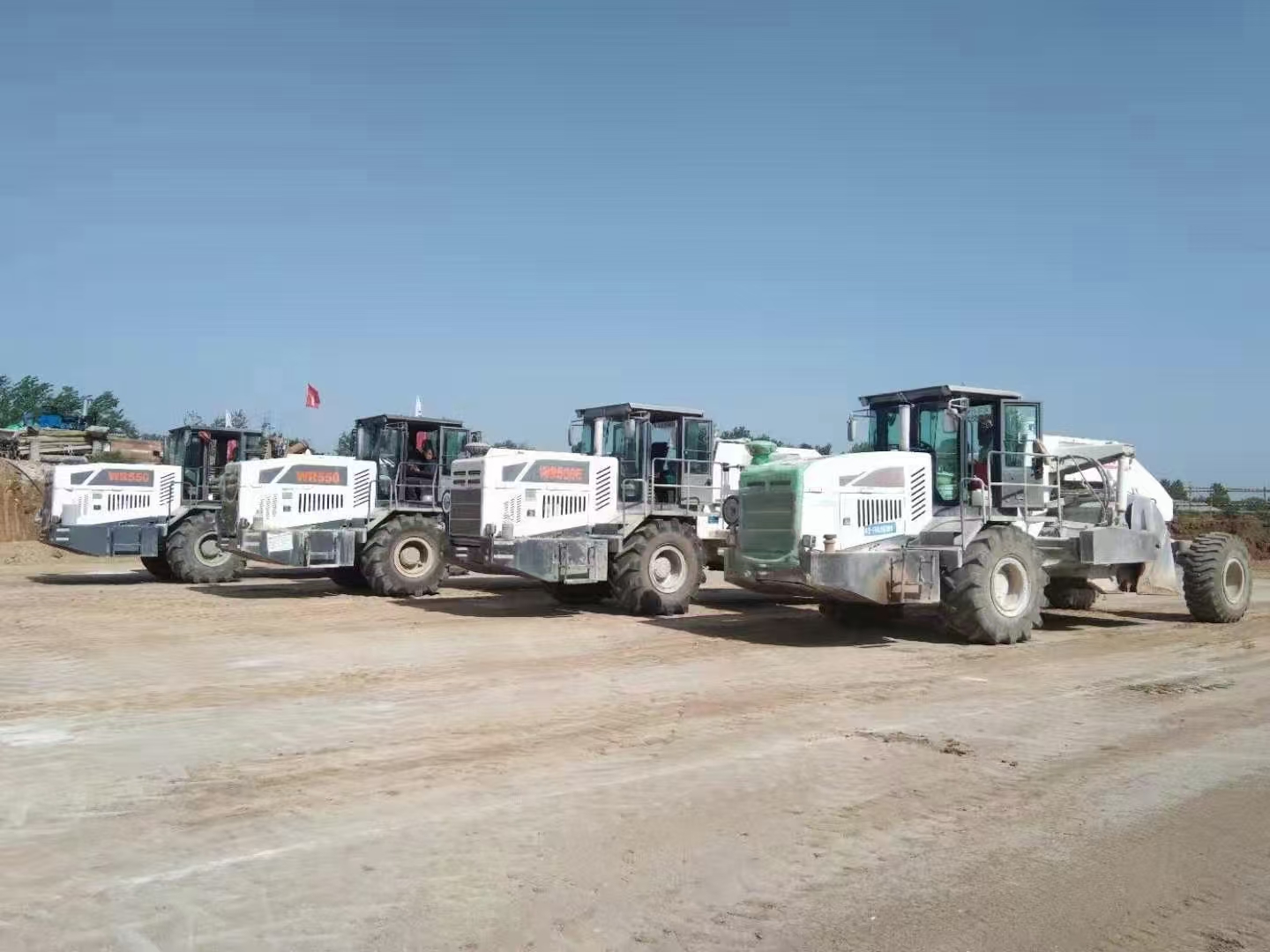
2. 视觉评价时,要记录整幅路面内所有明显的损坏以及其它观测结果,诸如排水、地质变化以及路段几何特征(比如陡坡、急转弯以及高填方路堤)。
When conducting visual evaluation, it is necessary to record all obvious damages and other observation results within the entire road surface, such as drainage, geological changes, and geometric features of the road section (such as steep slopes, sharp turns, and high fill embankments).
3. 检查过程中,损坏模式分为三类,表面损坏、结构损坏、功能损坏,各种损坏模式、损坏类型及具体描述见表4.1。在视觉调查中,依据损坏严重程度、频率和位置,对道路损坏的不同模式和类型进行具体描述。
During the inspection process, the damage modes are divided into three categories: surface damage, structural damage, and functional damage. The various damage modes, types, and specific descriptions are shown in Table 4.1. In visual surveys, different patterns and types of road damage are described in detail based on the severity, frequency, and location of the damage.
表4.1 损坏模式和类型
Table 4.1 Damage Modes and Types
4. 对视觉调查资料进行总结,明确路面的破坏模式,为道路损坏的原因提供有价值的线索。
4. Summarize the visual survey data, clarify the damage mode of the road surface, and provide valuable clues for the causes of road damage.
4.4 均匀路段的再评估
4.4 Re evaluation of Uniform Road Sections
结合视觉调查中获取的资料,以及所有其他可能的相关资料对由弯沉分析限定的“均匀路段”进行再次评价,以更加精确地描述各类均匀路段,更精确地对相似的“相同路段”进行识别和归类。
Based on the data obtained from visual surveys and all other possible relevant information, re evaluate the "uniform road sections" defined by deflection analysis to more accurately describe various types of uniform road sections and more accurately identify and classify similar "same road sections".
4.5 详细调查
4.5 Detailed Investigation
对每一相似的“均匀路段”,需要进行详细调查,以便对原路面结构进行评价(组成与损坏模式),确定旧路地基承载力。
For each similar 'uniform road section', a detailed investigation is required to evaluate the original pavement structure (composition and damage mode) and determine the bearing capacity of the old road foundation.
4.5.1 开挖测试坑
4.5.1 Excavation of Test Pit
1. 对每一均匀路段,测试坑每每车道应不少于一个。通常在车道外侧轮迹带开挖,也可在硬路肩(或路缘带)与行车道的交界线处开挖。
For each uniform road section, there should be no less than one test pit per kilometer per lane. Excavation is usually carried out on the outer side of the lane's wheelbase, but can also be done at the boundary between the hard shoulder (or curb) and the lane.
2. 测试坑用于确定旧路各结构层厚度和材料、现场含水量、各结构层的性状(如开裂程度、水泥稳定层的水泥粘结度或碳酸化程度)等旧路基本信息。
2. Test pits are used to determine basic information about the old road, such as the thickness and materials of each structural layer, on-site moisture content, and the characteristics of each structural layer (such as cracking degree, cement bonding degree or carbonation degree of cement stabilized layer).
3. 测试坑通常长1.2m、宽1m、深0.5-1m,具体尺寸可根据道路结构进行调整。
3. The test pit is usually 1.2m long, 1m wide, and 0.5-1m deep, and the specific size can be adjusted according to the road structure.
4. 测试坑需仔细开挖,每层材料应分开堆放,以便取样。样品应放置在密封的容器内,用于测定含水量。测试坑开挖完毕,应拍照并详细记录测试坑的路面轮廓。
4. The test pit needs to be carefully excavated, and each layer of material should be stacked separately for sampling. The sample should be placed in a sealed container for measuring moisture content. After the excavation of the test pit is completed, photos should be taken and the road surface contour of the test pit should be recorded in detail.
4.5.2 现场承载板试验
4.5.2 On site bearing plate test
1. 现场承载板试验宜选在一年中的不利季节进行。测点位置与测试坑相同,也可在试验的基础上两者同步进行。
1. The on-site bearing plate test should be conducted during the most unfavorable season of the year. The location of the measuring point is the same as that of the testing pit, and the two can also be synchronized based on the experiment.
2. 对每一均匀路段,每车道应不少于两个测点,同一均匀路段中若某一测点的数值高于(或低于)平均值的30%,应增加测点数量,同时对数值过低点附近的路段应仔细调查,看是否存在路基沉陷等下部结构层损坏问题。
2. For each uniform road section, each lane should have no less than two measuring points. If the value of a measuring point in the same uniform road section is higher (or lower) than 30% of the average value, the number of measuring points should be increased. At the same time, the road section near the low point of the value should be carefully investigated to see if there are any problems such as roadbed subsidence or damage to the lower structural layer.
3. 将道路面层认真去除,测定其下部结构层复合回弹模量。同理将道路基层、垫层完全去除,测定其下部结构层复合回弹模量,直模量测定点处的结构层深度大于预估的可能铣刨深度。
3. Carefully remove the road surface layer and measure the composite rebound modulus of its lower structural layer. Similarly, completely remove the road base and cushion layer, and measure the composite rebound modulus of the lower structural layer until the depth of the structural layer at the modulus measurement point is greater than the estimated maximum possible milling depth.
4.6 综合资料,初步确定再生厚度
4.6 Comprehensive data, preliminary determination of regeneration thickness
综合分析以上获得的信息,推测该路面的剩余使用寿命,并识别出承载力的关键层,在明确已经损坏结构层的基础上初步确定再生层的厚度。
Based on the comprehensive analysis of the information obtained above, the remaining service life of the road surface is speculated, and the key layer with the lowest bearing capacity is identified. On the basis of clarifying the damaged structural layer, the thickness of the regeneration layer is preliminarily determined.
5 结构组合设计
5. Structural combination design
5.1 旧路大修、改建时,应根据收集调查的交通量数据,确定交通量增长率,计算设计年限内一个车道的累计当量轴次,结合路面等级及路面类型,采用沥青路面半刚性设计理论,计算设计弯沉值。
During the major repair and reconstruction of old roads, the traffic growth rate should be determined based on the collected and surveyed traffic volume data, and the cumulative equivalent number of axles for one lane within the design period should be calculated. Combined with the pavement grade and type, the semi-rigid design theory of asphalt pavement should be adopted to calculate the design deflection value.
5.2 初步确定的道路结构组合方案。根据原路面设计强度和路况调查中得到的路面损坏情况,预估冷再生结构层厚度,并挖验检测冷再生结构层下承层的当量回弹模量,试算后确定
阅读/ Recommended reading
- 冷再生机租赁:道路冷再生时粒径过过大时的处理办法 2026-02-23
- 冷再生机租赁 | 全深式就地冷再生基层的施工工艺及质量控制措施 2026-02-21
- 冷再生机租赁助力沥青路面就地冷再生施工工艺顺利实施 2026-02-24
- 冷再生机租赁:承包商如何利用就地冷再生来建设有弹性的道路 2026-02-13
冷再生机租赁全解析:如何通过的就地再生技术降低道路养护成本 Full Analysis of Cold Recycling Machine Rental: How ...