
山东途畅路桥工程有限公司
联系人:石总
电话:18264104888
地址:山东省济南市槐荫区经一路273号群盛华城
冷再生机租赁: 的路面再生方式——冷再生
引言+我国每年改扩建及养护道路会产生大量的沥青路面旧料,这不免让人深思,是否存在一种技术能减缓旧料造成的环境污染和资源浪费,充分利用其剩余性能呢??1什么是沥青路面再生技术
Introduction: Every year in China, the renovation, expansion, and maintenance of roads generate a large amount of old asphalt pavement materials. This inevitably prompts people to ponder whether there is a technology that can slow down the environmental pollution and resource waste caused by old materials, and fully utilize their remaining performance?? What is asphalt pavement recycling technology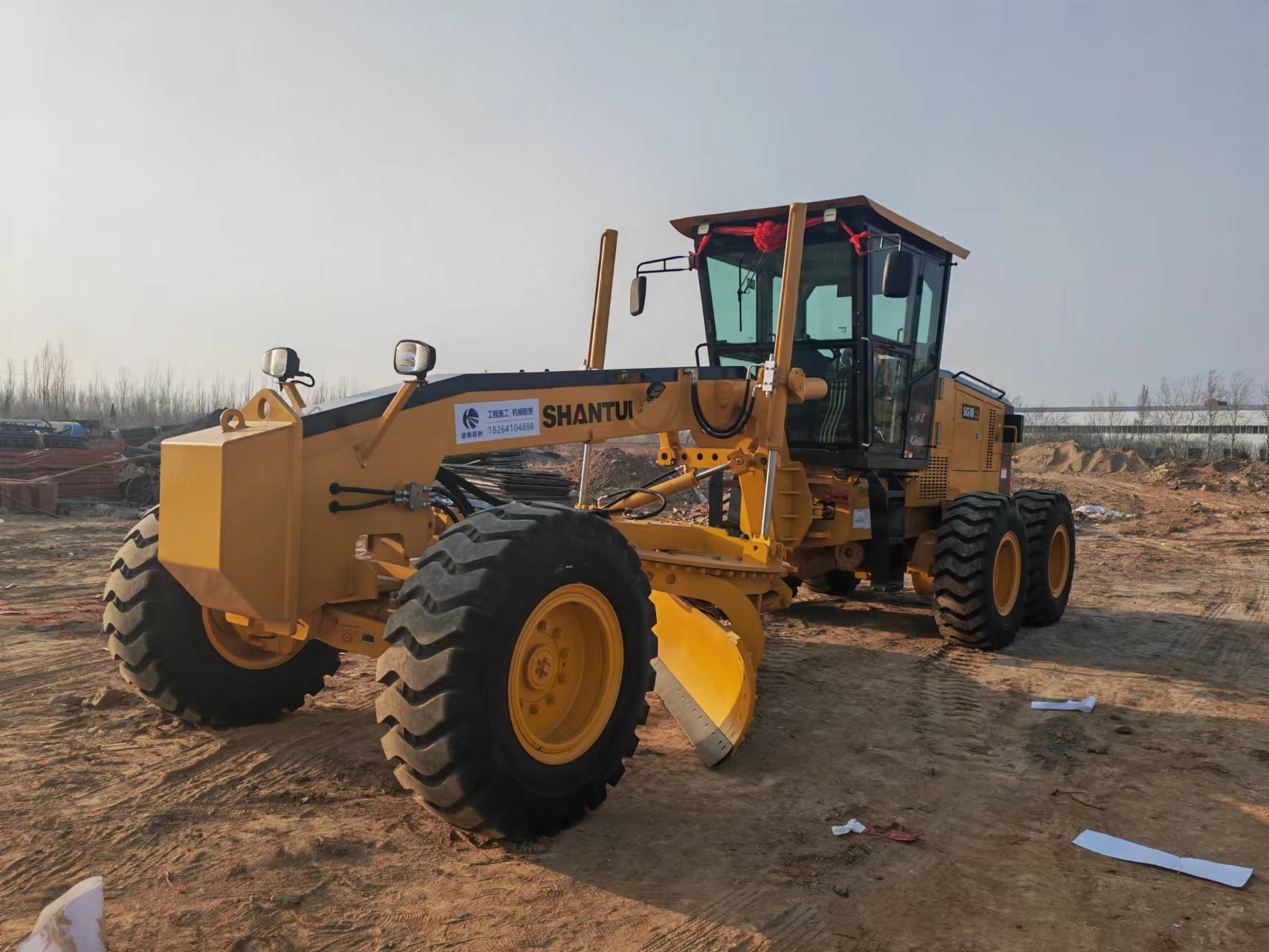
沥青路面再生技术就是这样一种将旧沥青路面二次利用,通过添加再生剂、新料等材料,恢复部分回收沥青路面材料(Reclaimed Asphalt Pavement, RAP)的原有性能,将资源化利用的养护技术。该技术不仅能够节约资源、缓解公路养护资金短缺矛盾,而且符合我国、可持续发展的战略方针,因此对废弃旧料的再次利用已成为我国高速公路养护发展的重要趋势。
Asphalt pavement regeneration technology is a maintenance technique that involves reusing old asphalt pavement by adding rejuvenators, new materials, and other materials to restore the original performance of reclaimed asphalt pavement (RAP) and maximize resource utilization. This technology not only saves resources and alleviates the shortage of funds for highway maintenance, but also conforms to China's strategic principles of energy conservation, environmental protection, and sustainable development. Therefore, the reuse of waste materials has become an important trend in the development of highway maintenance in China.
2为什么选择冷再生
Why choose cold regeneration
再生技术的分类《公路沥青路面再生技术规范》(JTG/T 5521-2019)将再生技术共分为5类,分别是就地热再生、厂拌热再生、就地冷再生、厂拌冷再生和全深式就地冷再生,通常统称为冷再生和热再生。
The classification of regeneration technology in the "Technical Specification for Highway Asphalt Pavement Regeneration" (JTG/T 5521-2019) divides regeneration technology into five categories, namely in-situ thermal regeneration, plant mixed thermal regeneration, in-situ cold regeneration, plant mixed cold regeneration, and full depth in-situ cold regeneration, commonly referred to as cold regeneration and hot regeneration.
热再生技术的缺陷热再生技术是将回收的RAP加热后通过修正级配、添加再生剂以及补充新沥青,使回收料成为优良的再生沥青混合料的工艺。热再生在重新拌料时需要较高的加热温度,会造成较为严重的污染。
The defect of hot recycling technology is that hot recycling technology heats the recycled RAP and modifies the gradation, adds rejuvenators, and supplements new asphalt to make the recycled material an excellent recycled asphalt mixture. Hot recycling requires a higher heating temperature when re mixing materials, which can cause serious pollution.
冷再生技术的优势冷再生技术是对旧沥青路面铣刨、破碎、筛分后,按一定比例添加新集料,以乳化沥青或泡沫沥青、水泥等为胶结料进行常温拌和,进而铺筑路面结构层的再生技术形式。相比之下,冷再生技术由于其无需加热的特点和较高的RAP掺量,更符合我国绿色养护的道路发展战略。技术名称旧料利用率性技术性就地冷再生100%旧料利用无需加热
The advantages of cold recycling technology The cold recycling technology is a recycling technology form that milling, crushing and screening the old asphalt pavement, adding new aggregate in a certain proportion, mixing emulsified asphalt or foam asphalt, cement, etc. at room temperature, and then paving the pavement structure layer. In contrast, cold recycling technology is more in line with China's green maintenance road development strategy due to its characteristics of not requiring heating and higher RAP content. Technical name: Utilization rate of old materials, environmental friendliness, technical on-site cold regeneration, 100% utilization of old materials without heating
常温就地施工抗反射裂缝能力强
Strong anti reflection crack ability for on-site construction at room temperature
施工和易性好厂拌冷再生50%-80%无需加热
Good construction and workability. Factory mixed cold recycling 50% -80% without heating
拌和厂拌和运输导致破乳时间不一致,易产生离析就地热再生75%-85%就地加热
Mixing and transportation in the mixing plant result in inconsistent demulsification time, which can easily lead to segregation and on-site thermal regeneration of 75% -85%. On site heating
空气污染严重仅用于上面层
Severe air pollution is only used for the upper layer
使用寿命短厂拌热再生20%-40%拌和楼加热
Short service life, factory mixed heat regeneration, 20% -40% mixing plant heating
CO2排放量高运输费用
High CO2 emissions and transportation costs
及时间成本高3冷再生的作用机理及典型类型冷再生技术如此的秘诀在于其在再生过程中使用乳化沥青或泡沫沥青替代了普通沥青。乳化沥青是沥青和乳化剂在一定工艺作用下,生成水包油或油包水的液态沥青。常温下保持液态的乳化沥青与石料拌和后由于水的蒸发作用、吸附作用、物理化学作用等多种因素的影响下产生分解和破乳现象,使得乳化沥青逐渐转变为固态[1]。
And the mechanism of high time cost 3 cold recycling and the secret of typical cold recycling technology that is so environmentally friendly is that it uses emulsified asphalt or foam asphalt instead of ordinary asphalt in the recycling process. Emulsified asphalt is a liquid asphalt formed by the combination of asphalt and emulsifiers under certain process conditions, resulting in water in oil or oil in water. Emulsified asphalt, which remains liquid at room temperature and is mixed with stone, undergoes decomposition and emulsion breaking due to various factors such as water evaporation, adsorption, and physical and chemical reactions, gradually transforming into a solid state.
泡沫沥青是通过物理变化降低沥青粘度,与乳化沥青相同,二者的终目的都是实现沥青材料和冷骨料的均匀拌和,形成材料强度[2]。作用机理
Foam asphalt reduces the viscosity of asphalt through physical changes. Like emulsified asphalt, the ultimate purpose of both is to achieve uniform mixing of asphalt materials and cold aggregates to form material strength [2]. Mechanism of action
典型类型
Typical types
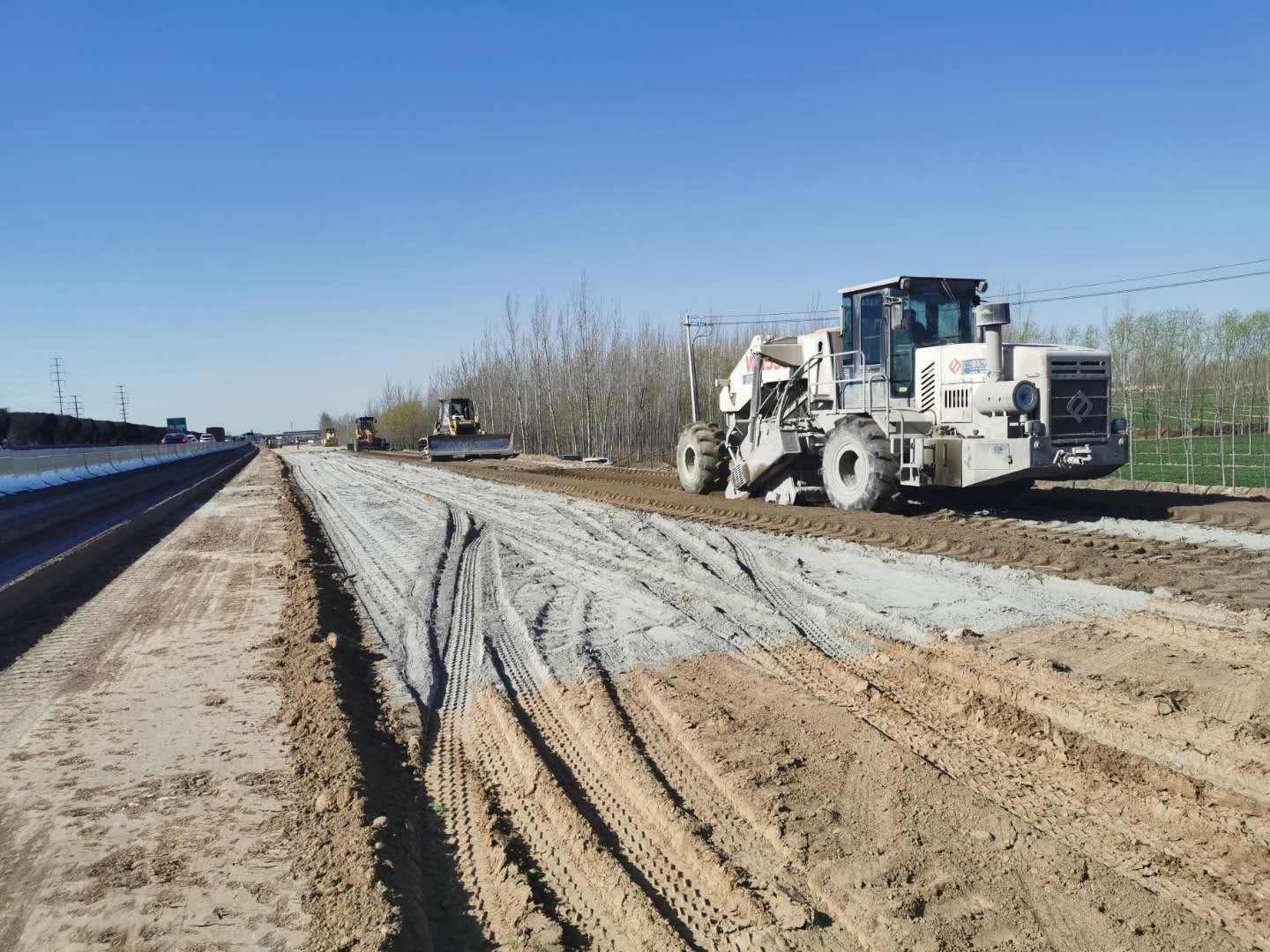
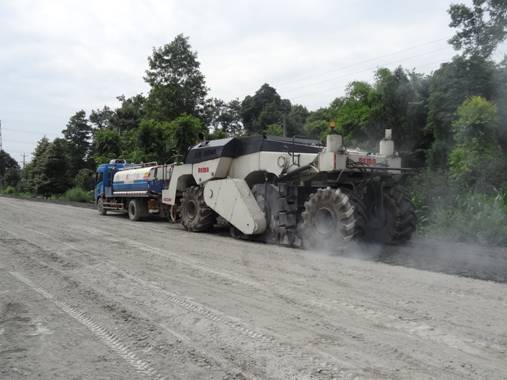
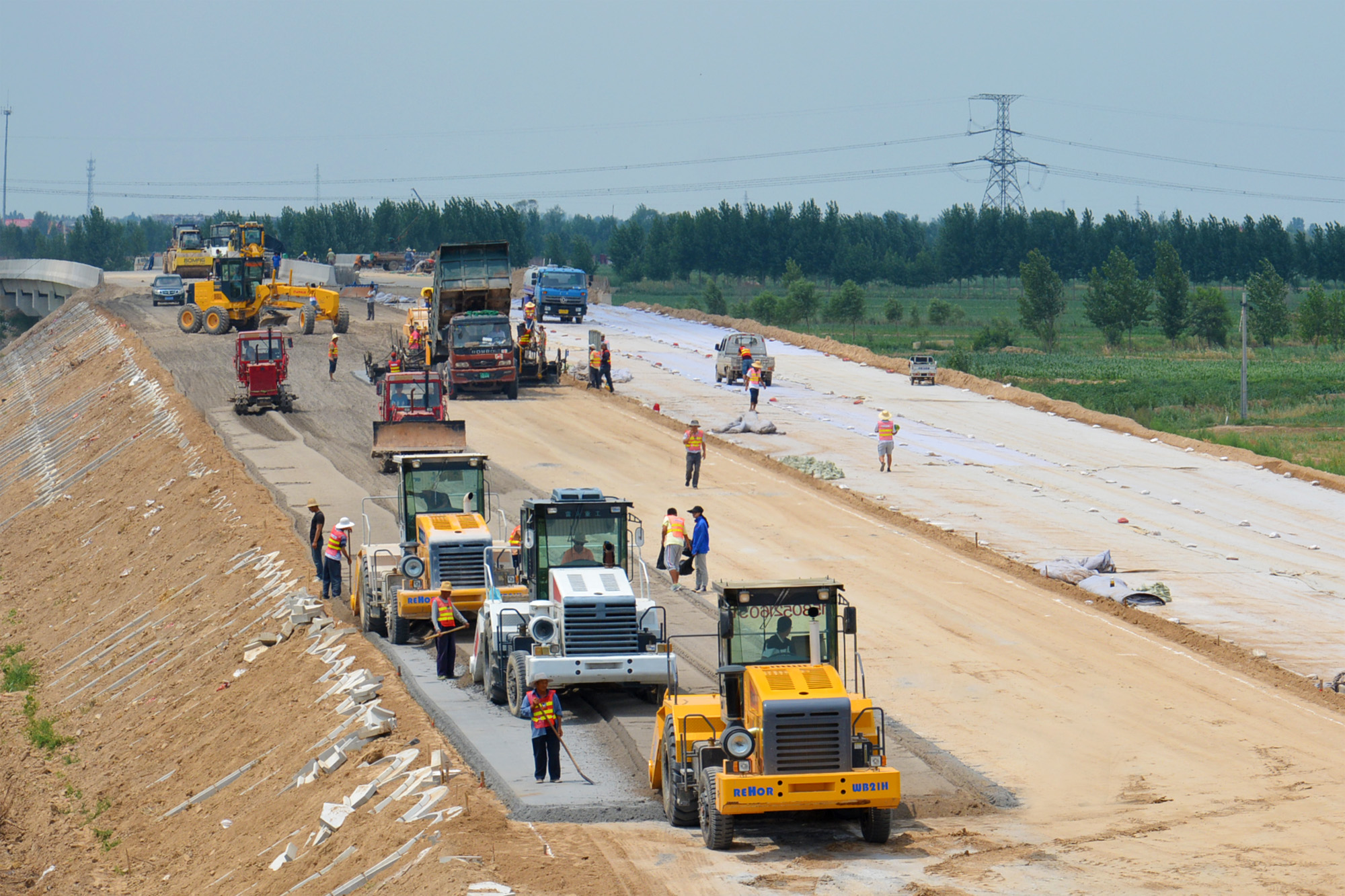
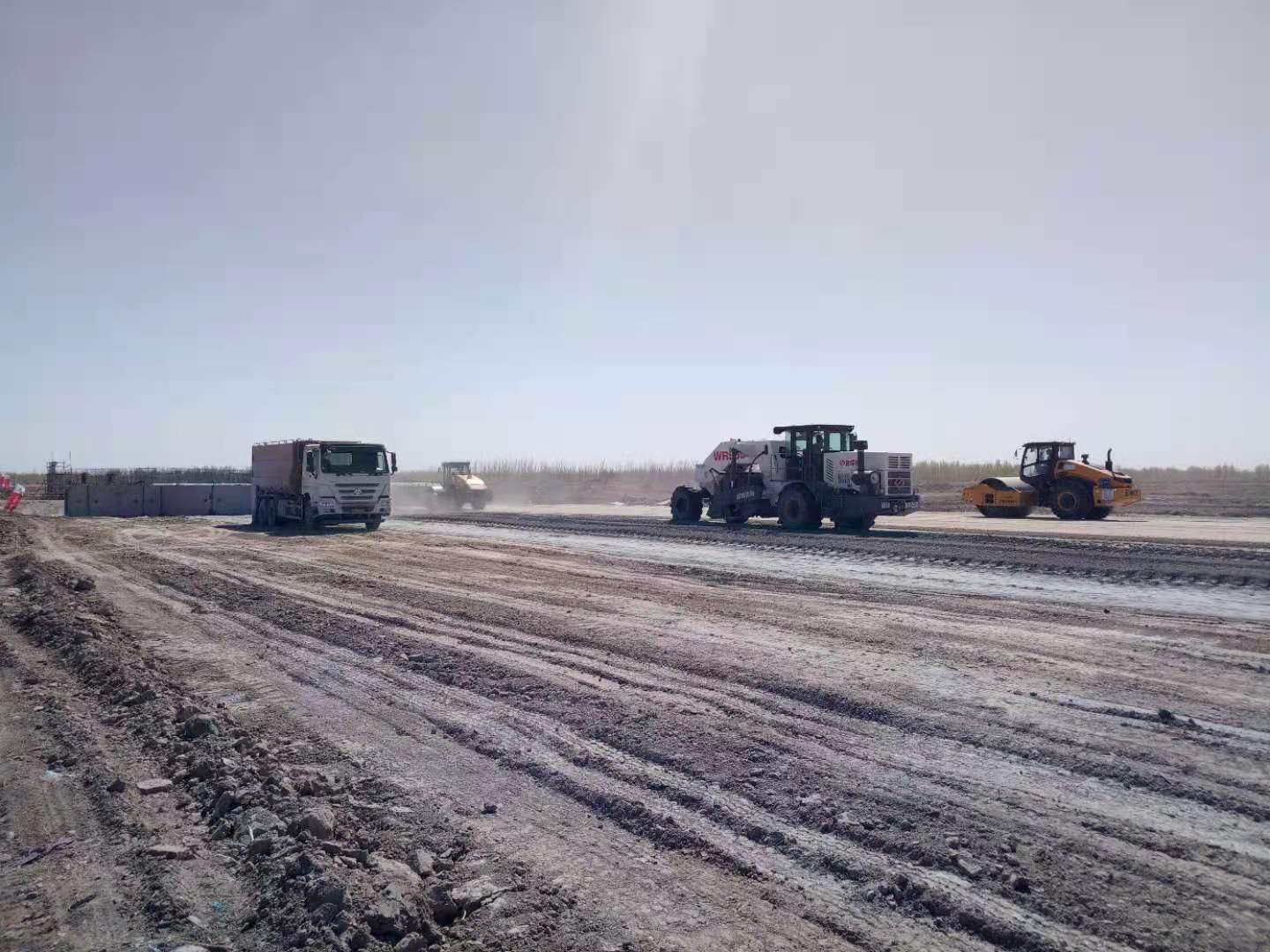
乳化沥青就地冷再生技术是江苏省高速公路大量使用的冷再生养护技术,它具有100%利用旧料、常温下施工、无需运输、一体化施工等诸多优点,多用于高速基层及一、二级公路中下面层,适用于基层稳定、面层较差的路段[3]。与路面养护中常用的铣刨重铺方案相比,半幅双车道每10路段,使用乳化沥青就地冷再生技术将节约石料16200吨,柴油103.2吨,减少CO2排放290吨,节约造价1330万元。4冷再生的施工及应用实例近年来,乳化沥青就地冷再生技术作为重载交通高速公路中面层的技术已在汾灌、宁宿徐等江苏省高速公路上得到验证并广泛推广。汾灌高速中的应用2019年汾灌高速灌汾方向两车道各7.039km(K814+278-K825+296)进行了乳化沥青就地冷再生施工[4]。具体实施方案为:就地冷再生10cm原中上面层,洒布防水粘结层,在撒布橡胶沥青碎石封层后,上面加铺5cm高强沥青SMA-13罩面。施工流程包括:旧路裂缝处理、水泥撒布、再生、摊铺、碾压和养生。施工完成3天后,全路段均可取出完整芯样;完成28天后,混合料芯样劈裂强度、马歇尔稳定度、压实度等均达到设计要求;完成3年后,路面各项性能均维持在优良水平。
Emulsified asphalt in situ cold recycling technology is a cold recycling maintenance technology widely used in expressways in Jiangsu Province. It has many advantages such as 100% utilization of old materials, construction at normal temperature, no need for transportation, integrated construction, etc. It is mostly used for high-speed base course, middle and lower layers of Class I and second-class highway, and is suitable for sections with stable base course and poor surface course [3]. Compared with the commonly used milling and repaving scheme in road maintenance, the use of emulsified asphalt on-site cold recycling technology for every 10 kilometers of half width dual lane road will save 16200 tons of stone, 103.2 tons of diesel, reduce 290 tons of CO2 emissions, and save 13.3 million yuan in cost. In recent years, the in-situ cold recycling technology of emulsified asphalt has been validated and widely promoted as a surface layer technology for heavy-duty transportation highways in Jiangsu Province, such as Fenguan and Ningsu Xu. In 2019, on-site cold recycling construction of emulsified asphalt was carried out for 7.039km (K814+278-K825+296) on two lanes in the Guanfen direction of the Fenguan Expressway. The specific implementation plan is to cold regenerate a 10cm original upper layer on site, sprinkle a waterproof bonding layer, and after spreading a rubber asphalt crushed stone seal layer, add a 5cm high-strength asphalt SMA-13 overlay on top. The construction process includes: treatment of old road cracks, cement spreading, regeneration, paving, rolling, and curing. After 3 days of construction completion, complete core samples can be taken from the entire section of the road; After 28 days of completion, the splitting strength, Marshall stability, and compaction degree of the mixed material core sample all meet the design requirements; After 3 years of completion, all road performance remained at an excellent level.
结语+随着双碳政策的持续推进,道路养护技术的环境效益逐渐被道路工作者所重视。冷再生技术以其较高的旧料利用率、较低的碳排放量在道路养护工程中开始大量应用。尽管该技术目前尚存在综合路用性能较差的缺点,但随着各项研究的深入推进,相信该技术将会有更大的适用范围和更好的使用前景。
Conclusion: With the continuous promotion of the dual carbon policy, the environmental benefits of road maintenance technology are gradually being valued by road workers. Cold recycling technology has been widely applied in road maintenance projects due to its high utilization rate of old materials and low carbon emissions. Although this technology currently has the disadvantage of poor comprehensive road performance, with the deepening of various studies, it is believed that this technology will have a wider range of applications and better prospects for use.
本文由 冷再生机租赁 友情奉献.更多有关的知识请点击 http://www.tclqgc.com/ 真诚的态度.为您提供为的服务.更多有关的知识我们将会陆续向大家奉献.敬请期待.
This article is a friendly contribution from Cold Recycling Machine Rental For more related knowledge, please click http://www.tclqgc.com/ Sincere attitude To provide you with comprehensive services We will gradually contribute more relevant knowledge to everyone Coming soon.引言+我国每年改扩建及养护道路会产生大量的沥青路面旧料,这不免让人深思,是否存在一种技术能减缓旧料造成的环境污染和资源浪费,充分利用其剩余性能呢??1什么是沥青路面再生技术
Introduction: Every year in China, the renovation, expansion, and maintenance of roads generate a large amount of old asphalt pavement materials. This inevitably prompts people to ponder whether there is a technology that can slow down the environmental pollution and resource waste caused by old materials, and fully utilize their remaining performance?? What is asphalt pavement recycling technology
沥青路面再生技术就是这样一种将旧沥青路面二次利用,通过添加再生剂、新料等材料,恢复部分回收沥青路面材料(Reclaimed Asphalt Pavement, RAP)的原有性能,将资源化利用的养护技术。该技术不仅能够节约资源、缓解公路养护资金短缺矛盾,而且符合我国、可持续发展的战略方针,因此对废弃旧料的再次利用已成为我国高速公路养护发展的重要趋势。
Asphalt pavement regeneration technology is a maintenance technique that involves reusing old asphalt pavement by adding rejuvenators, new materials, and other materials to restore the original performance of reclaimed asphalt pavement (RAP) and maximize resource utilization. This technology not only saves resources and alleviates the shortage of funds for highway maintenance, but also conforms to China's strategic principles of energy conservation, environmental protection, and sustainable development. Therefore, the reuse of waste materials has become an important trend in the development of highway maintenance in China.
2为什么选择冷再生
Why choose cold regeneration
再生技术的分类《公路沥青路面再生技术规范》(JTG/T 5521-2019)将再生技术共分为5类,分别是就地热再生、厂拌热再生、就地冷再生、厂拌冷再生和全深式就地冷再生,通常统称为冷再生和热再生。
The classification of regeneration technology in the "Technical Specification for Highway Asphalt Pavement Regeneration" (JTG/T 5521-2019) divides regeneration technology into five categories, namely in-situ thermal regeneration, plant mixed thermal regeneration, in-situ cold regeneration, plant mixed cold regeneration, and full depth in-situ cold regeneration, commonly referred to as cold regeneration and hot regeneration.
热再生技术的缺陷热再生技术是将回收的RAP加热后通过修正级配、添加再生剂以及补充新沥青,使回收料成为优良的再生沥青混合料的工艺。热再生在重新拌料时需要较高的加热温度,会造成较为严重的污染。
The defect of hot recycling technology is that hot recycling technology heats the recycled RAP and modifies the gradation, adds rejuvenators, and supplements new asphalt to make the recycled material an excellent recycled asphalt mixture. Hot recycling requires a higher heating temperature when re mixing materials, which can cause serious pollution.
冷再生技术的优势冷再生技术是对旧沥青路面铣刨、破碎、筛分后,按一定比例添加新集料,以乳化沥青或泡沫沥青、水泥等为胶结料进行常温拌和,进而铺筑路面结构层的再生技术形式。相比之下,冷再生技术由于其无需加热的特点和较高的RAP掺量,更符合我国绿色养护的道路发展战略。技术名称旧料利用率性技术性就地冷再生100%旧料利用无需加热
The advantages of cold recycling technology The cold recycling technology is a recycling technology form that milling, crushing and screening the old asphalt pavement, adding new aggregate in a certain proportion, mixing emulsified asphalt or foam asphalt, cement, etc. at room temperature, and then paving the pavement structure layer. In contrast, cold recycling technology is more in line with China's green maintenance road development strategy due to its characteristics of not requiring heating and higher RAP content. Technical name: Utilization rate of old materials, environmental friendliness, technical on-site cold regeneration, 100% utilization of old materials without heating
常温就地施工抗反射裂缝能力强
Strong anti reflection crack ability for on-site construction at room temperature
施工和易性好厂拌冷再生50%-80%无需加热
Good construction and workability. Factory mixed cold recycling 50% -80% without heating
拌和厂拌和运输导致破乳时间不一致,易产生离析就地热再生75%-85%就地加热
Mixing and transportation in the mixing plant result in inconsistent demulsification time, which can easily lead to segregation and on-site thermal regeneration of 75% -85%. On site heating
空气污染严重仅用于上面层
Severe air pollution is only used for the upper layer
使用寿命短厂拌热再生20%-40%拌和楼加热
Short service life, factory mixed heat regeneration, 20% -40% mixing plant heating
CO2排放量高运输费用
High CO2 emissions and transportation costs
及时间成本高3冷再生的作用机理及典型类型冷再生技术如此的秘诀在于其在再生过程中使用乳化沥青或泡沫沥青替代了普通沥青。乳化沥青是沥青和乳化剂在一定工艺作用下,生成水包油或油包水的液态沥青。常温下保持液态的乳化沥青与石料拌和后由于水的蒸发作用、吸附作用、物理化学作用等多种因素的影响下产生分解和破乳现象,使得乳化沥青逐渐转变为固态[1]。
And the mechanism of high time cost 3 cold recycling and the secret of typical cold recycling technology that is so environmentally friendly is that it uses emulsified asphalt or foam asphalt instead of ordinary asphalt in the recycling process. Emulsified asphalt is a liquid asphalt formed by the combination of asphalt and emulsifiers under certain process conditions, resulting in water in oil or oil in water. Emulsified asphalt, which remains liquid at room temperature and is mixed with stone, undergoes decomposition and emulsion breaking due to various factors such as water evaporation, adsorption, and physical and chemical reactions, gradually transforming into a solid state.
泡沫沥青是通过物理变化降低沥青粘度,与乳化沥青相同,二者的终目的都是实现沥青材料和冷骨料的均匀拌和,形成材料强度[2]。作用机理
Foam asphalt reduces the viscosity of asphalt through physical changes. Like emulsified asphalt, the ultimate purpose of both is to achieve uniform mixing of asphalt materials and cold aggregates to form material strength [2]. Mechanism of action
典型类型
Typical types
乳化沥青就地冷再生技术是江苏省高速公路大量使用的冷再生养护技术,它具有100%利用旧料、常温下施工、无需运输、一体化施工等诸多优点,多用于高速基层及一、二级公路中下面层,适用于基层稳定、面层较差的路段[3]。与路面养护中常用的铣刨重铺方案相比,半幅双车道每10路段,使用乳化沥青就地冷再生技术将节约石料16200吨,柴油103.2吨,减少CO2排放290吨,节约造价1330万元。4冷再生的施工及应用实例近年来,乳化沥青就地冷再生技术作为重载交通高速公路中面层的技术已在汾灌、宁宿徐等江苏省高速公路上得到验证并广泛推广。汾灌高速中的应用2019年汾灌高速灌汾方向两车道各7.039km(K814+278-K825+296)进行了乳化沥青就地冷再生施工[4]。具体实施方案为:就地冷再生10cm原中上面层,洒布防水粘结层,在撒布橡胶沥青碎石封层后,上面加铺5cm高强沥青SMA-13罩面。施工流程包括:旧路裂缝处理、水泥撒布、再生、摊铺、碾压和养生。施工完成3天后,全路段均可取出完整芯样;完成28天后,混合料芯样劈裂强度、马歇尔稳定度、压实度等均达到设计要求;完成3年后,路面各项性能均维持在优良水平。
Emulsified asphalt in situ cold recycling technology is a cold recycling maintenance technology widely used in expressways in Jiangsu Province. It has many advantages such as 100% utilization of old materials, construction at normal temperature, no need for transportation, integrated construction, etc. It is mostly used for high-speed base course, middle and lower layers of Class I and second-class highway, and is suitable for sections with stable base course and poor surface course [3]. Compared with the commonly used milling and repaving scheme in road maintenance, the use of emulsified asphalt on-site cold recycling technology for every 10 kilometers of half width dual lane road will save 16200 tons of stone, 103.2 tons of diesel, reduce 290 tons of CO2 emissions, and save 13.3 million yuan in cost. In recent years, the in-situ cold recycling technology of emulsified asphalt has been validated and widely promoted as a surface layer technology for heavy-duty transportation highways in Jiangsu Province, such as Fenguan and Ningsu Xu. In 2019, on-site cold recycling construction of emulsified asphalt was carried out for 7.039km (K814+278-K825+296) on two lanes in the Guanfen direction of the Fenguan Expressway. The specific implementation plan is to cold regenerate a 10cm original upper layer on site, sprinkle a waterproof bonding layer, and after spreading a rubber asphalt crushed stone seal layer, add a 5cm high-strength asphalt SMA-13 overlay on top. The construction process includes: treatment of old road cracks, cement spreading, regeneration, paving, rolling, and curing. After 3 days of construction completion, complete core samples can be taken from the entire section of the road; After 28 days of completion, the splitting strength, Marshall stability, and compaction degree of the mixed material core sample all meet the design requirements; After 3 years of completion, all road performance remained at an excellent level.
结语+随着双碳政策的持续推进,道路养护技术的环境效益逐渐被道路工作者所重视。冷再生技术以其较高的旧料利用率、较低的碳排放量在道路养护工程中开始大量应用。尽管该技术目前尚存在综合路用性能较差的缺点,但随着各项研究的深入推进,相信该技术将会有更大的适用范围和更好的使用前景。
Conclusion: With the continuous promotion of the dual carbon policy, the environmental benefits of road maintenance technology are gradually being valued by road workers. Cold recycling technology has been widely applied in road maintenance projects due to its high utilization rate of old materials and low carbon emissions. Although this technology currently has the disadvantage of poor comprehensive road performance, with the deepening of various studies, it is believed that this technology will have a wider range of applications and better prospects for use.
本文由 冷再生机租赁 友情奉献.更多有关的知识请点击 http://www.tclqgc.com/ 真诚的态度.为您提供为的服务.更多有关的知识我们将会陆续向大家奉献.敬请期待.
This article is a friendly contribution from Cold Recycling Machine Rental For more related knowledge, please click http://www.tclqgc.com/ Sincere attitude To provide you with comprehensive services We will gradually contribute more relevant knowledge to everyone Coming soon.
阅读/ Recommended reading
- 冷再生机与厂拌冷再生机大不同,公路养护选型错了亏大了 2026-04-25
- 公路养护封神!冷再生机三大“门派”各有千秋,选对=废料变新路,少花冤枉钱 2026-04-24
- 冷再生机现场施工全过程,旧路变新不挪厂,省50%工期+80%碳排放 2026-04-23
- 公路养护降本关键,冷再生机租赁凭这3点,省30%成本还 2026-04-18
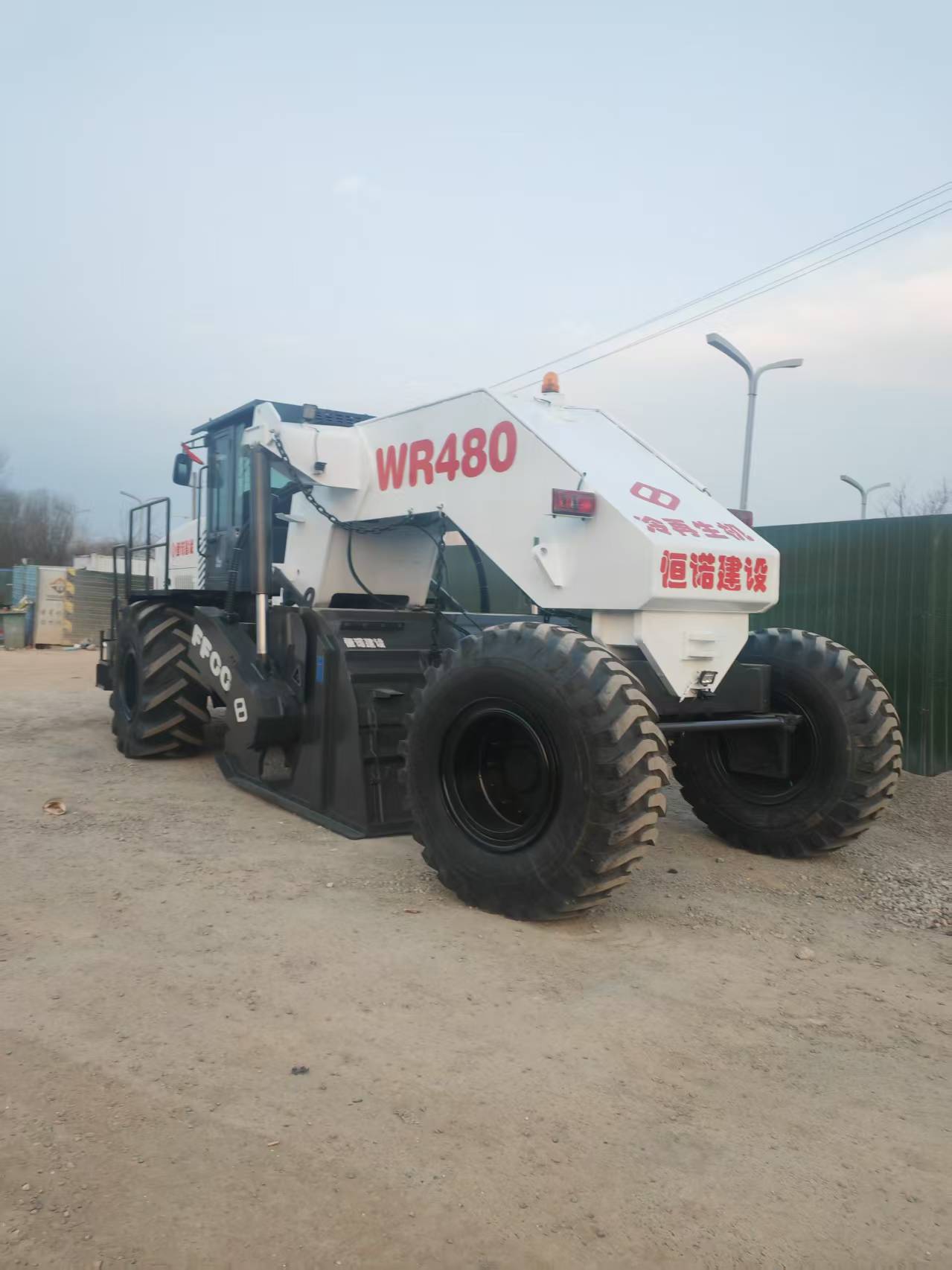
公路养护降本关键,冷再生机租赁凭这3点,省30%成本还 The key to cost reduction in highway maintenance lies in...